Official launch of Acacia 3
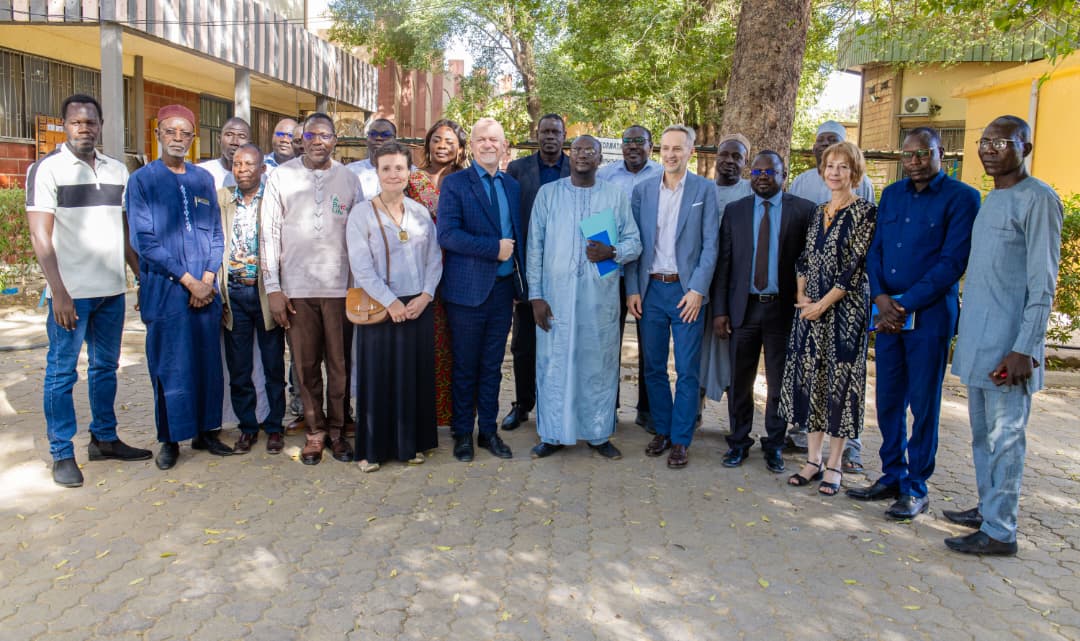
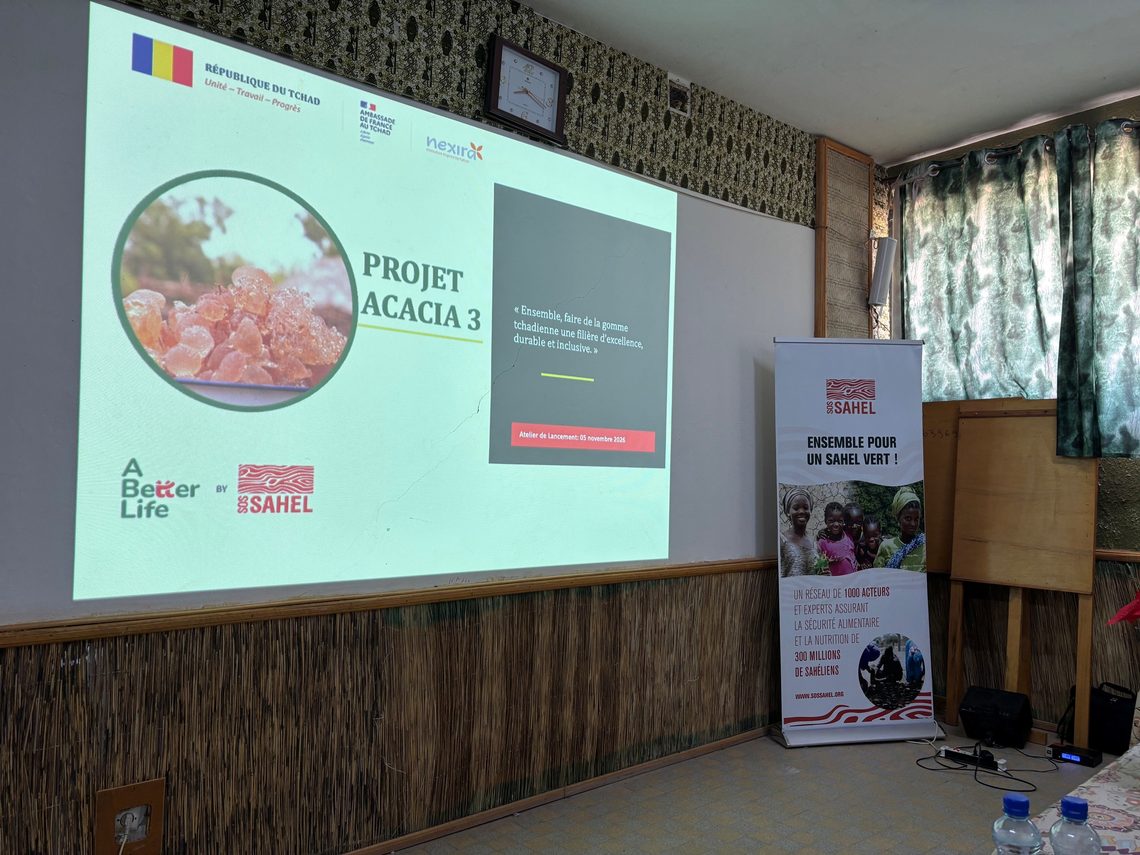
On November 5, in N’Djamena, Nexira was invited by the French Embassy in Chad to attend the official launch of a pilot phase of the Acacia 3 programme. Frédéric Ducluseau, Risk Assessment Director, travelled to Chad to represent Nexira on this occasion.
This new milestone is part of the Great Green Wall initiative, with a shared ambition: to restore land while developing a sustainable acacia gum value chain that benefits local communities.
A commitment built since 2009
A sustainable value chain starts with the women and men who sustain it, their expertise, and the relationships of trust built over the years.
Since 2009, the first two phases of the Acacia project have helped restore more than 10,000 hectares of acacia woodland and protect 180,000 hectares of natural acacia groves, involving nearly 28,000 families. Over ten years, gum production increased from 1,600 to 2,500 tonnes.
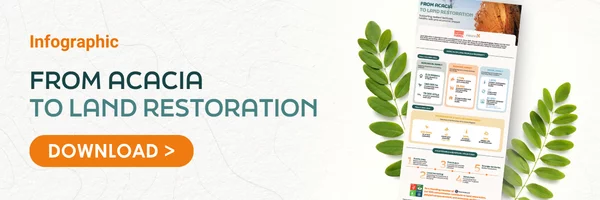
Through Acacia 3, Nexira and A Better Life by SOS SAHEL are continuing this work: helping producers organise, strengthening their incomes and supporting land restoration to build resilience to climate change. Our latest infographic below brings together the program’s key achievements and future ambitions, illustrating how responsible sourcing can become a driver of land restoration and sustainable development.
Testing a model before expanding it
Launched in November 2026 with support from the French Embassy in Chad, this 24-month pilot phase takes place in Dourbali and Awiya, in the Chari-Baguirmi province.
It involves 1,000 households across 28 villages.
Its purpose is to test a model in the field that could subsequently be expanded across Chad through Acacia 3. The approach combines acacia planting and sustainable management with other crops, while giving producers the means to organise and develop their activities.
Four complementary areas of action
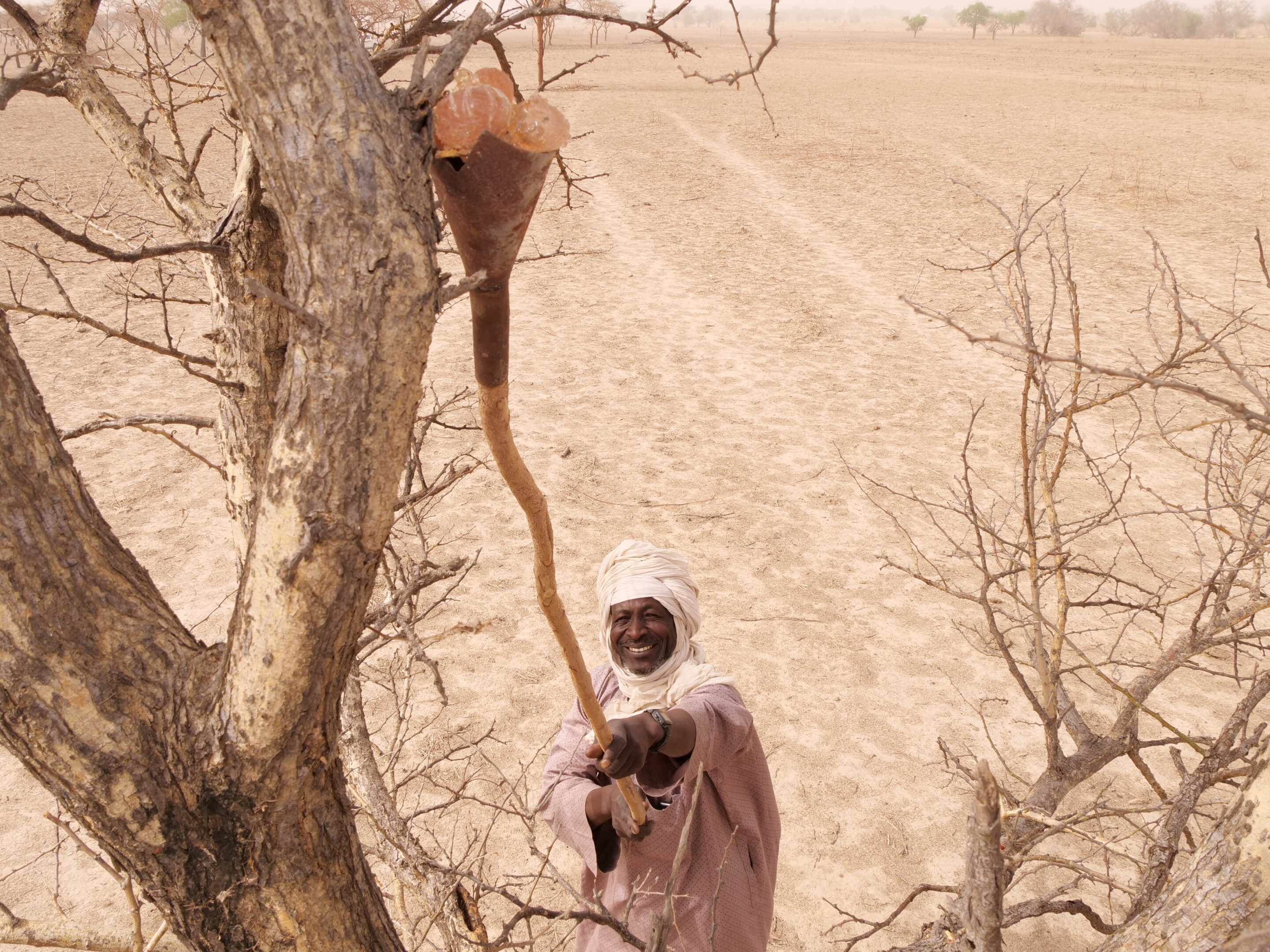
- Organising and training producers. Gum collectors are forming producer groups and cooperatives. Farmer field schools provide training in acacia tapping, gum collection and sorting.
- Restoring land through agroforestry. In Awiya, a five-hectare pilot plot with hedgerows will combine acacia trees with vegetable crops, using solar-powered irrigation. Village nurseries and sustainable management of acacia groves will support tree regeneration and soil restoration.
- Providing local agricultural services. Two facilities will be renovated in Dourbali and Awiya for gum storage, sorting and purchasing. They will also provide equipment, water points and digital monitoring of stocks and prices.
- Connecting nutrition and environmental education. School nutrition clubs and environmental awareness activities will be developed, including at a school located within the agroforestry site.
Expected benefits for families, land and the value chain
The pilot aims to deliver higher-quality gum that is sorted, traceable and purchased from producers at a fair price, with a target of 100 additional tonnes per year. Vegetable production is also expected to help diversify families’ diets.
This test phase will allow practices and results to be assessed before the model is expanded. It brings land restoration and producers together at the heart of one approach, helping preserve natural resources and build lasting opportunities for communities.
Thank you to all the teams, partners and producer representatives working alongside Nexira!
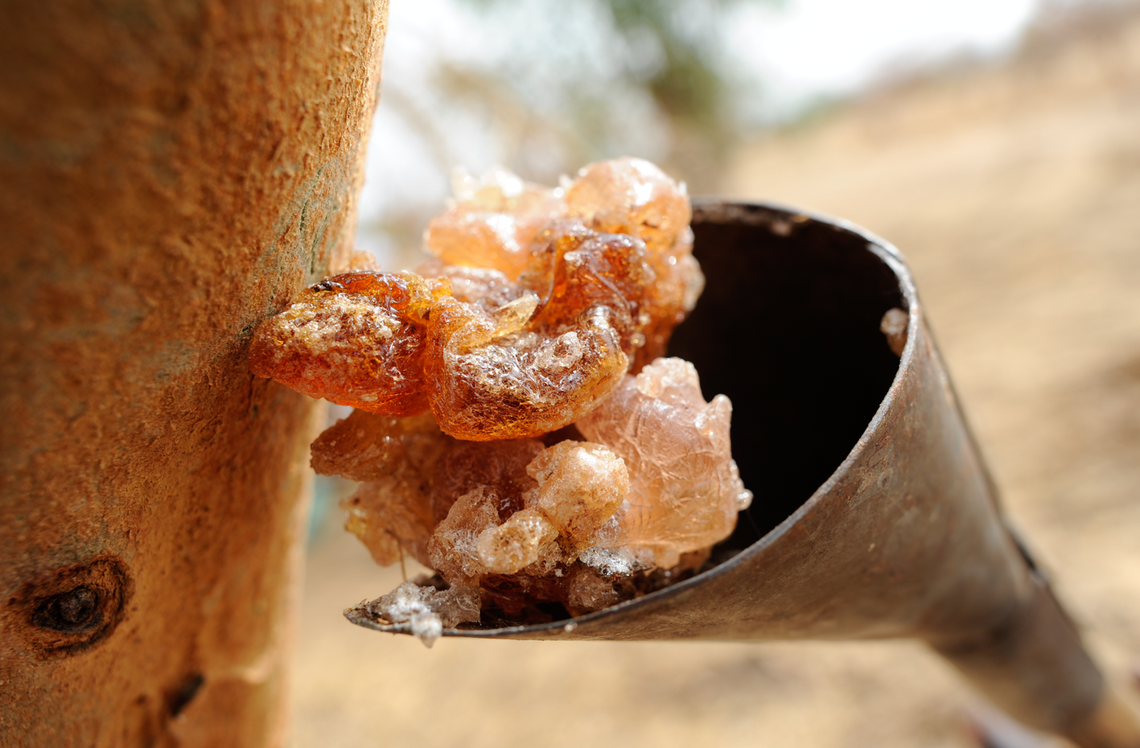
Photo: Sébastien Ortola – SOS SAHEL