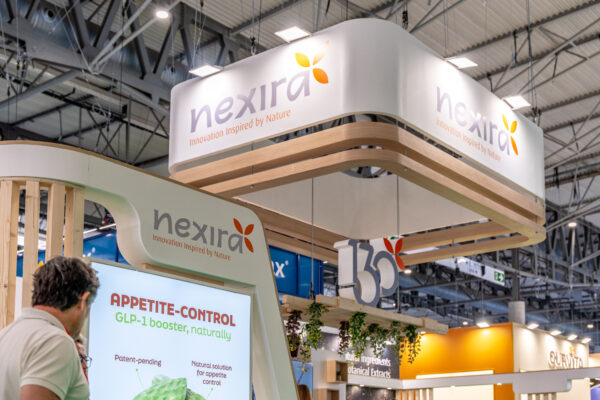
The acacia value chain: a concrete example of land restoration
Key Highlights:
- 40% of the world’s land is currently degraded, making land restoration a major environmental, social and economic challenge.
- The gum acacia value chain illustrates how the private sector can contribute to landscape restoration and rural development.
- Since 2009, the Acacia Program has supported 28,000 producers across 100 villages in Chad, including the planting of more than 2.15 million trees and the responsible management of 180,000 hectares of forests.
- The third phase of the Acacia Program (2022–2036) aims to scale up these efforts across 300 villages, 50,000 producers and more than 300,000 hectares.
- As a founding member of Business for Land, Nexira will take part in COP17 to share its field experience and contribute to discussions on land restoration.
Today, 40% of the world’s land is degraded1, with consequences that go far beyond environmental concerns: food security, biodiversity, livelihoods and economic stability are all directly affected. Given the scale of this challenge, land restoration cannot rely solely on public-sector commitments; the private sector also has a role to play.
The acacia value chain: a concrete example of land restoration
For Nexira, this issue is directly linked to our long-standing commitment to the territories where our raw materials are produced.
The gum acacia value chain provides a concrete example of how private-sector engagement can contribute both to environmental restoration and rural development. In the Sahel, acacia trees are naturally adapted to arid environments and represent an important source of income for rural communities. They also contribute to soil fertility, erosion control, biodiversity and the regeneration of degraded landscapes.
The Acacia Program, developed by Nexira in partnership with SOS SAHEL, builds on this connection between trees, land and the communities that depend on them.
The Acacia Program: a value chain supporting local communities and territories
Since 2009, the first two phases of the Acacia Program have supported communities in Chad through a combination of actions focused on sustainable resource management, producer training, reforestation and the development of the value chain.
Between 2009 and 2019, the program reached 100 villages and 28,000 producers, supported the responsible management of 180,000 hectares of forest, contributed to the reforestation of 10,900 hectares and enabled more than 2.15 million trees to be planted. Gum acacia production increased by more than 70%, while 10,000 households were equipped with improved cookstoves, reducing their firewood consumption by 30%.
These actions also contributed to strengthening local communities, notably through increased participation of women in producer organisations and decision-making bodies, improved access to water and support for education.
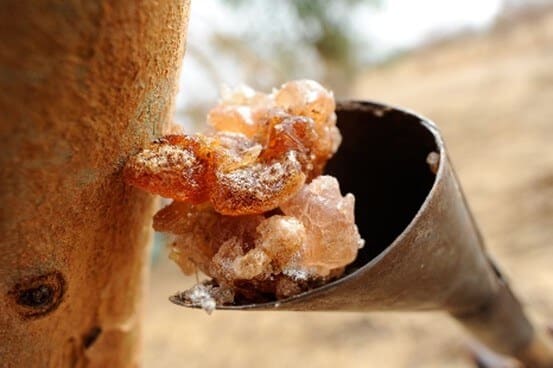
Photo ©Sébastien Ortola
Building on these results, the third phase of the Acacia Program, currently underway until 2036, aims to scale up this approach. It plans to support 300 villages and 50,000 producers, promote the responsible management of more than 300,000 hectares of forest landscapes and plant trees across 20,000 hectares.
The program also focuses on strengthening the gum acacia value chain, empowering women involved in gum harvesting, developing regenerative agricultural practices and improving producers’ access to financial services.
This experience demonstrates how a value chain based on a natural resource can contribute to landscape restoration while supporting the people who live and work there. It also echoes the findings of the World Economic Forum’s 1t.org initiative2, which identifies gum acacia among the tree-based value chains with strong environmental, social and economic potential in the Sahel.
Nexira at COP17
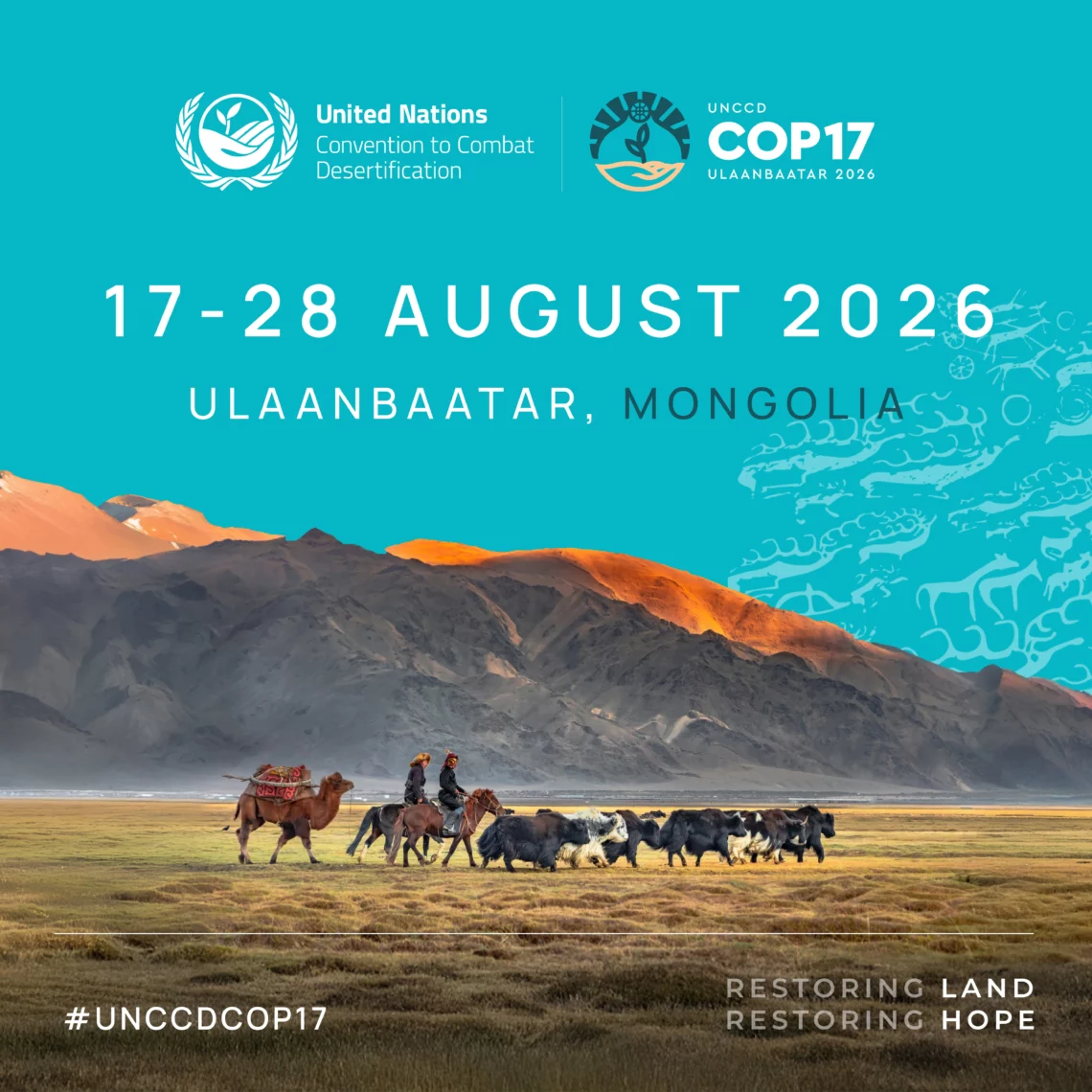
Photo ©UNCCD 17th session of the Conference of the Parties
Nexira will participate in UNCCD COP17, taking place from 17 to 28 August 2026 in Ulaanbaatar, Mongolia. As a founding member of the Business for Land (B4L) initiative, Nexira has been invited to participate in this COP.
Business for Land is UNCCD’s leading initiative dedicated to mobilising the private sector around sustainable land and water management. It brings together companies and financial institutions to promote sustainable practices, develop partnerships and mobilise the investment needed for land restoration, with the global ambition of restoring 1.5 billion hectares of land by 2030.
During the second week of COP17, Nexira will share its experience through Mathieu Dondain’s participation in several Business4Land Forum sessions:
- 24 August – 10:30–12:00: Strengthening resilience and investment in the Great Green Wall: from Evidence to Action (CIFOR-ICRAF, European Union, IFAD, UNCCD, Business4Land Initiative)
- 24 August – 12:30–14:30: Business4Land: De-risk and Scale to Restore 1.5bn Hectares of Land
- 25 August – 09:30–11:15: Business4Land: Dialogue on Corporate Disclosures & Target-Setting
- 25 August – 11:30–13:00: Official launch of the Drought Resilience Investment Facility (DRIF)
- 27 August – 11:15–12:30: B4L Public Session – Private Dialogue on Agriculture
- 27 August – 13:00–15:00: High-Level Dialogue on Food Systems and Soil Health
These discussions will provide an opportunity to share the lessons learned from the Acacia Program and contribute to discussions on how land restoration can be supported and scaled up.
At COP17, Nexira will also present three photographs from the travelling exhibition Trees of Life, created in collaboration with artist Nicolas Henry. Through images of acacia trees, baobabs, Sahelian landscapes and the communities who live there, the exhibition highlights the connections between trees, land and people.
For Nexira, COP17 is an opportunity to share what more than 15 years of action on the ground have taught us: land restoration is a collective challenge, and long-term partnerships can help turn this ambition into tangible benefits for ecosystems, communities and territories.
1 “Focus Area: Land restoration”, UNCCD. https://www.unccd.int/cop16/focus-areas/land-restoration2 “The Untapped Potential of Great Green Wall Value Chains”, Archipel&Co and Regenopolis, World Economic Forum, Insight Report, 2022. https://www.weforum.org/publications/the-untapped-potential-of-great-green-wallvalue-chains-an-action-agenda-to-scale-restoration-in-thesahel/