Botanical extracts for beverages: Exploring sensory profiles
In functional beverages, choosing a botanical extract is not only about functionality, nutritional & health benefits. Taste, color and formulation behavior also play a key role in the final consumer experience.
To better understand these characteristics, Nexira worked with Portraits de goûts, an external sensory expert, to characterize a selection of botanical extracts for beverage applications.
The extracts were evaluated at 0.5% in still water at room temperature, allowing us to identify their main aromatic profiles and better understand how each ingredient can influence a finished beverage.
Every botanical has its own sensory signature
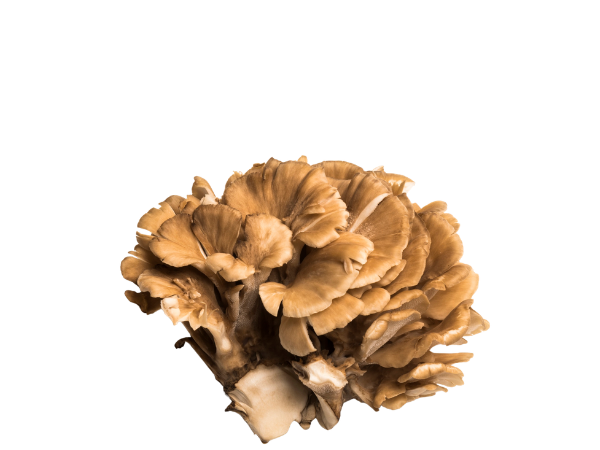
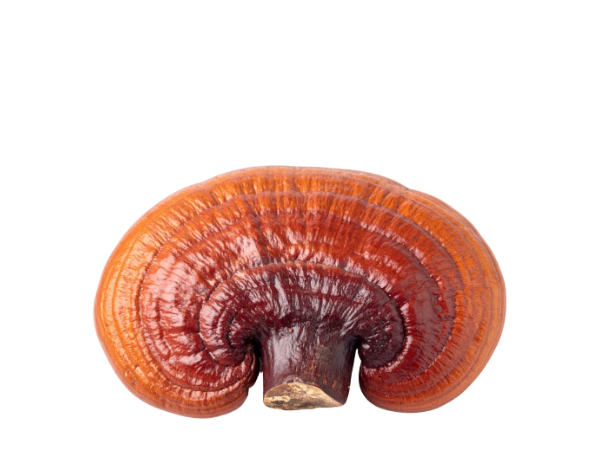
Some botanical extracts bring fresh and fruity notes. Others are greener, more herbal, woody or earthy. Functional mushrooms introduce yet another sensory dimension, with cereal, umami, cacao and smoky profiles.
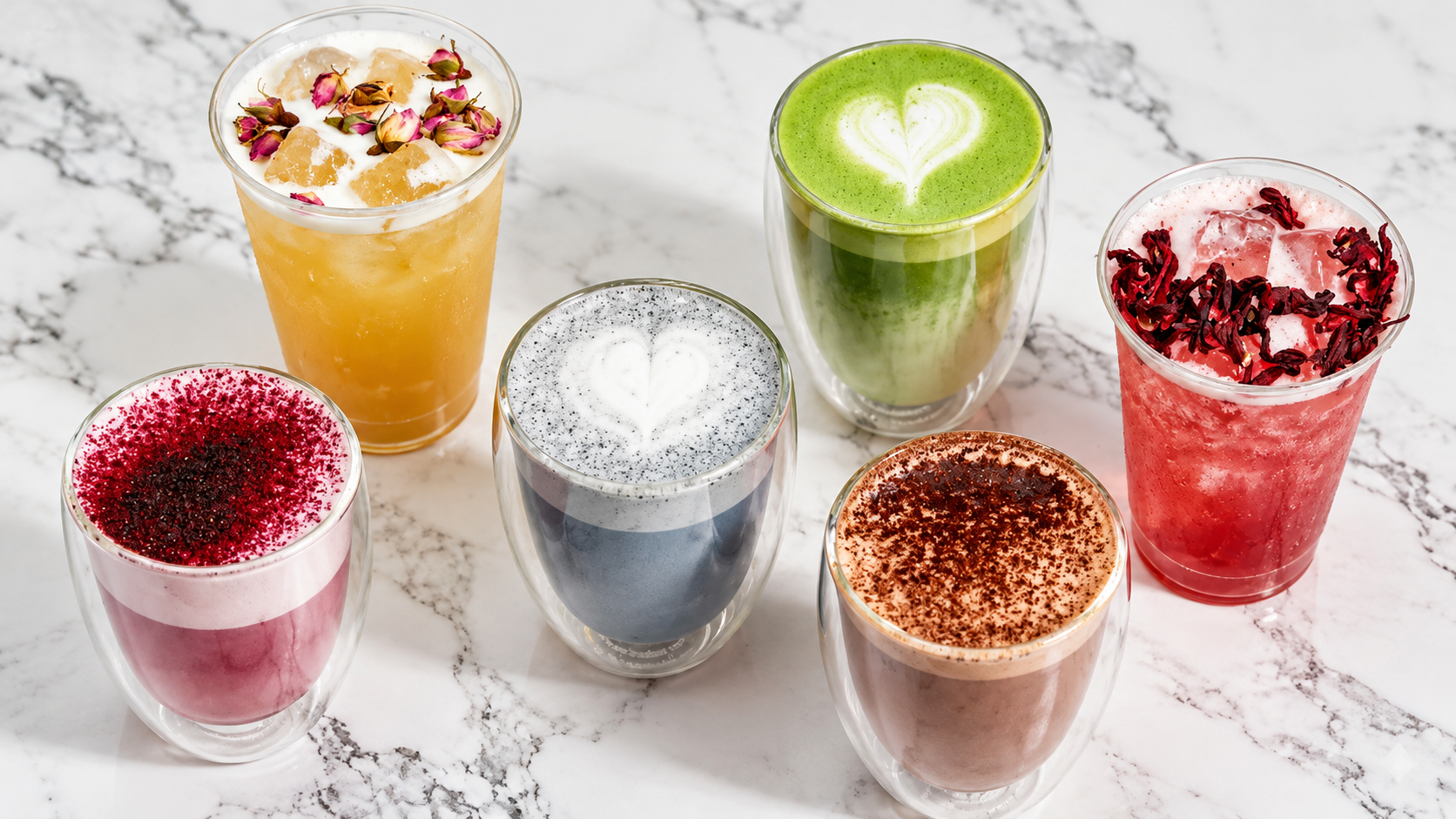
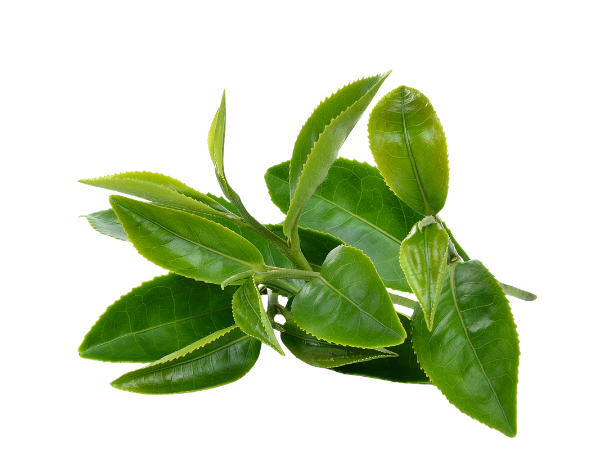
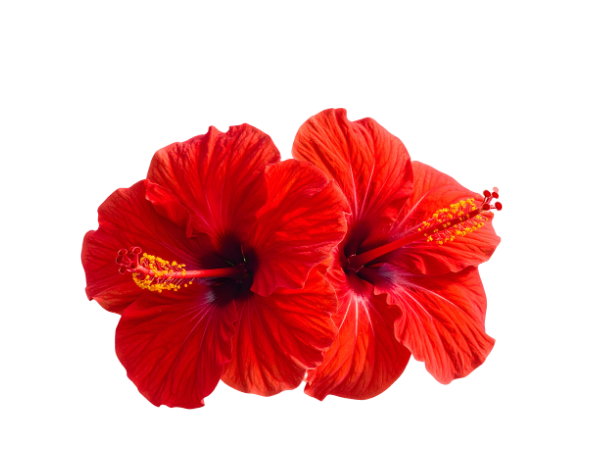
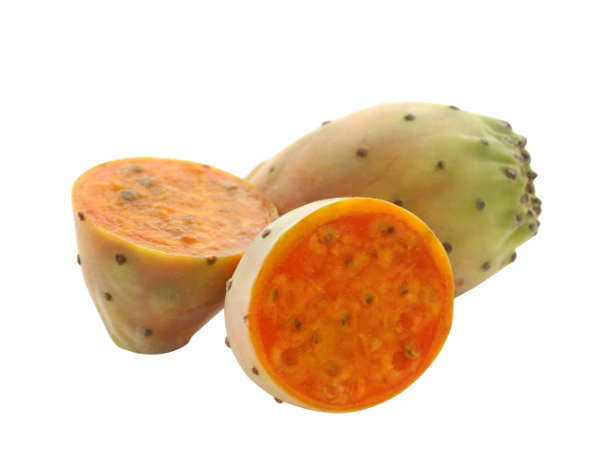
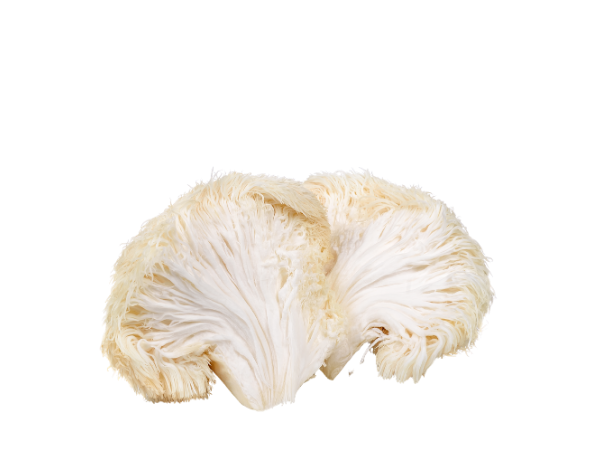
Botanical extracts can also significantly influence the appearance of a beverage. Hibiscus develops a deep ruby-red color in water, while Cactinea™ gives a pale orange-pink shade. Green Tea produces a yellow color, whereas Matcha retains a much darker green appearance. Functional mushrooms remain in a more neutral range: Lion’s Mane gives a very light beige color, while Maitake and Reishi develop golden-yellow to ochre tones.
Understanding these visual differences early in development helps formulators anticipate the final appearance of their beverage.
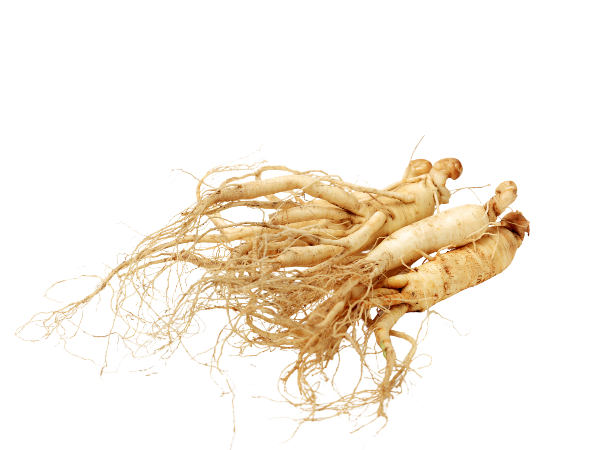
Sensory characterization also helps identify potential formulation considerations. Some extracts may bring bitterness or astringency. Others may require attention to oxidation, color stability or sedimentation. For example, Ginseng has a pronounced bitter and earthy profile that may need balancing depending on the final beverage concept, whereas Cactinea™ has a softer profile and very low astringency, making it interesting for fresh and rounded beverage concepts. Functional mushrooms bring their own distinctive cereal, umami, earthy or roasted characteristics, which can be incorporated into the overall flavor concept rather than systematically masked.
This diversity gives formulators many possibilities when building functional beverage concepts.
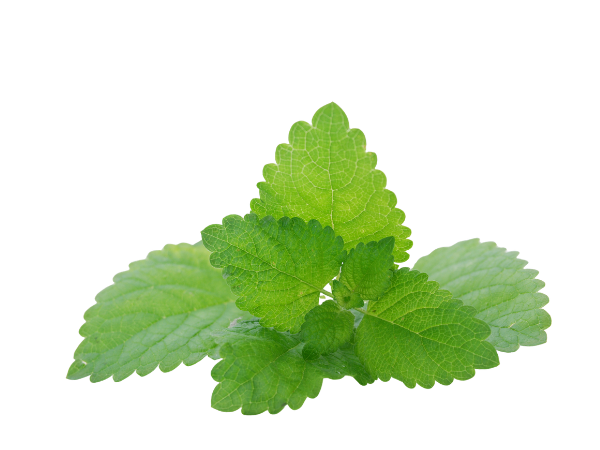
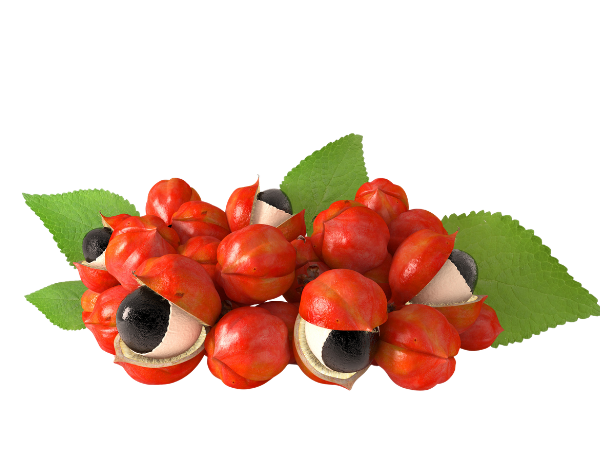
Our sensory analysis categorizes the range into distinct flavor families. Discover their own characteristics:
Designing function and taste together
The sensory profile of an ingredient should not be considered only at the end of formulation. By understanding taste, color and formulation characteristics from the beginning, formulators can select ingredients that better match the desired beverage experience.
At Nexira, this sensory approach complements our botanical expertise and helps us support customers in developing functional beverages where key functional benefits and taste work together.
Need samples?

Charlotte Wallart
Food Product Manager
This communication is not intended to the final consumer. It provides scientific information for professionals only. Communications to the final consumer have to be checked according to local regulations in force, since the conditions of use are beyond our control. This statement has not been evaluated by the FDA. This product is not intended to diagnose, treat, cure, or prevent any disease.